October 27, 2026
Outdoor lighting can transform how a property looks and functions after sunset. Walkways, patios, gardens, driveways, and architectural features can become more accessible and visually appealing when illuminated thoughtfully. However, creating an effective lighting system involves more than placing fixtures around a yard. Property owners must consider visibility, electrical requirements, fixture placement, energy consumption, and ongoing maintenance. Poorly positioned lights may create glare, leave important areas dark, or fail to highlight the landscape's most attractive features. Professional landscape lighting contractors can help homeowners develop coordinated lighting plans that balance appearance, functionality, and long-term performance. Their experience with outdoor environments, lighting equipment, and installation techniques supports designs tailored to individual properties.
1. Creating a Coordinated Outdoor Lighting Design
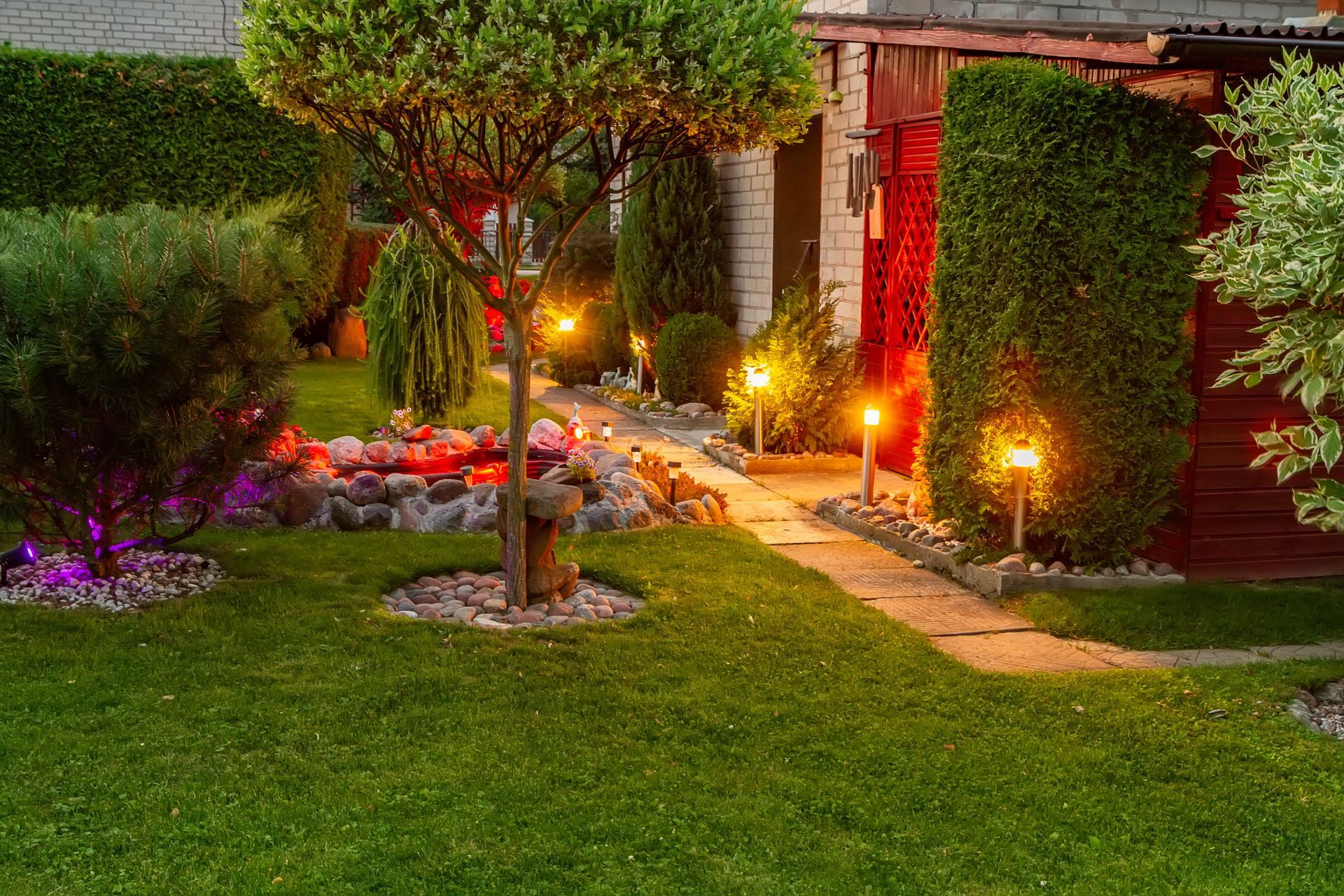
Effective outdoor lighting begins with a plan that considers the property's layout and intended uses. Different areas require different levels of illumination, depending on whether they serve as gathering spaces, walking routes, or decorative features. A patio may benefit from soft ambient lighting, while steps and pathways need sufficient visibility for movement. Without a coordinated design, fixtures may produce uneven illumination or compete with one another visually.
Professionals evaluate landscaping, architectural details, sightlines, and existing outdoor features before recommending fixture locations. They can combine techniques such as uplighting, downlighting, and accent lighting to create a balanced appearance. Planning also involves considering how trees and plants will grow over time. A thoughtful design helps homeowners achieve attractive results without installing unnecessary fixtures or creating excessive brightness throughout the property.
2. Improving Visibility Around Outdoor Spaces
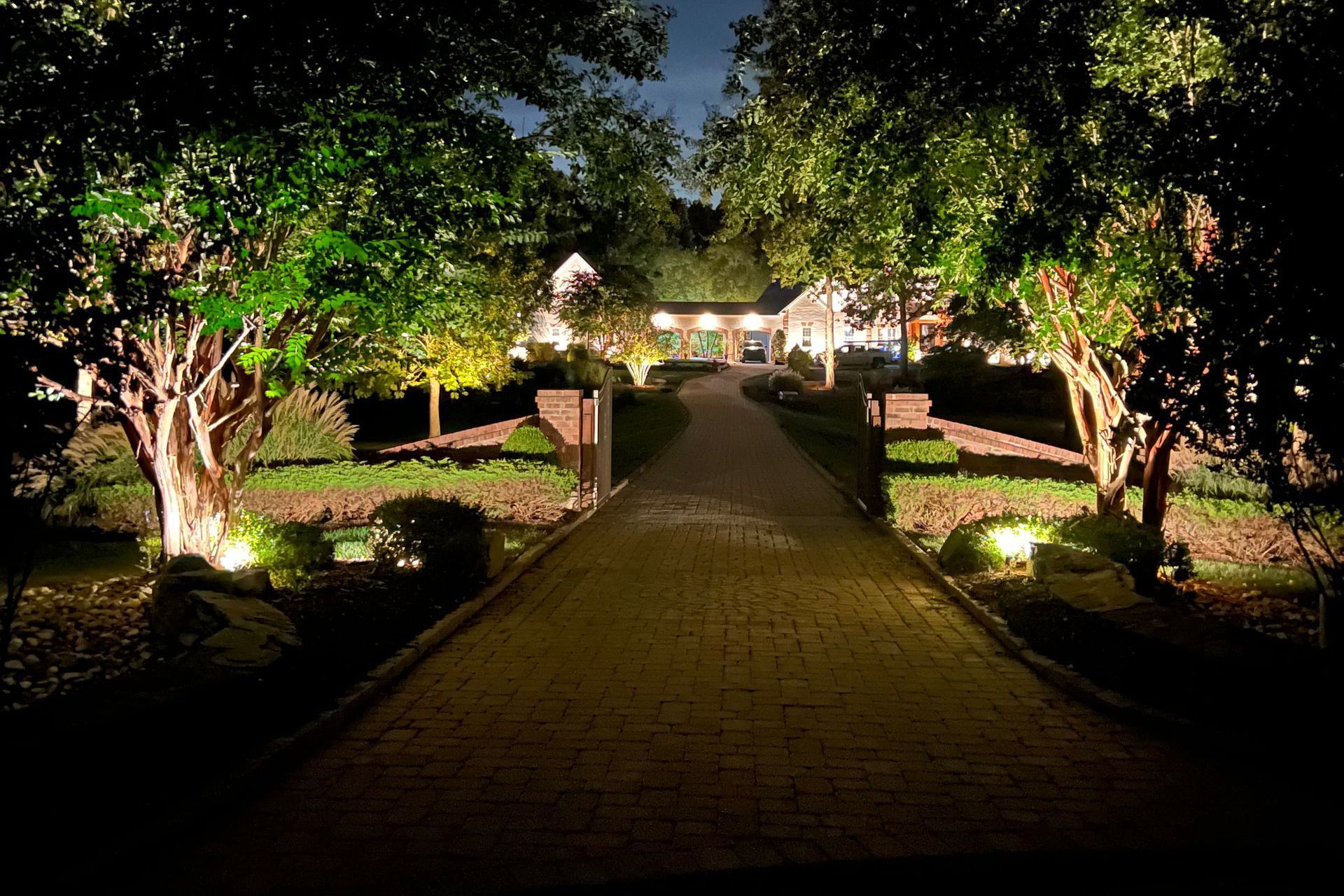
Outdoor areas can become difficult to navigate after dark, particularly when pathways, stairs, and changes in elevation are not clearly visible. Poor illumination may make it harder for residents and visitors to identify obstacles, uneven pavement, or landscaping features. Properly positioned lighting can improve visibility around entrances, driveways, patios, and frequently used walking routes, making these spaces more practical during evening hours.
Experienced landscape lighting contractors can identify locations where additional illumination may be beneficial. They consider fixture height, beam direction, brightness, and spacing to help reduce shadows and glare. Lighting should provide useful visibility without shining directly into people's eyes or neighboring properties. Strategic placement can create a more comfortable outdoor environment while supporting safer movement through areas that receive regular nighttime use.
3. Highlighting Architectural and Landscape Features
Outdoor lighting provides opportunities to showcase features that may become difficult to appreciate after sunset. Trees, flower beds, stonework, retaining walls, fountains, and architectural details can serve as focal points when illuminated appropriately. Different lighting techniques produce distinct visual effects. Uplighting can emphasize the shape of a tree, while carefully positioned accent fixtures may reveal textures along masonry surfaces or decorative structures.
Professional designers understand how light intensity, color temperature, and fixture placement influence appearance. Excessive brightness can flatten textures or overwhelm surrounding areas, while insufficient illumination may fail to highlight important details. A balanced approach uses contrast and carefully directed light to create visual interest. Homeowners can enjoy a landscape that remains attractive during evening hours without sacrificing the property's natural character.
4. Selecting Suitable Fixtures and Materials
Outdoor lighting equipment must withstand environmental conditions that differ from those found indoors. Rain, moisture, temperature changes, sunlight, and landscaping activities can affect fixture performance. Selecting products designed for exterior use helps reduce premature deterioration and electrical problems. Fixture materials, protective ratings, mounting methods, and replacement requirements should all be considered when comparing available options.
Qualified landscape lighting contractors can recommend fixtures appropriate for specific locations and environmental conditions. Path lights, spotlights, well lights, and wall-mounted fixtures serve different purposes and require suitable installation methods. Professionals may also explain differences between aluminum, brass, copper, and other materials. Choosing equipment based on durability and application helps homeowners develop systems that maintain their appearance and function over time.
5. Supporting Proper Electrical Installation
Installing outdoor lighting involves electrical considerations that extend beyond selecting attractive fixtures. Wiring routes, transformers, circuit capacity, connections, and moisture protection can influence system performance. Many residential landscape lighting installations use low-voltage equipment, but these systems still require appropriate installation practices. Incorrect connections or poorly protected wiring may contribute to equipment failures, inconsistent illumination, or electrical hazards.
Professionals can plan wiring locations to minimize interference with landscaping and routine property maintenance. They also consider voltage drop, transformer capacity, and the placement of electrical components. Certain installations may require licensed electrical professionals or permits, depending on local regulations and project requirements. Proper installation helps ensure that the lighting system operates reliably while reducing the likelihood of avoidable repairs.
6. Improving Energy Efficiency and Lighting Control
Energy consumption is an important consideration when adding lighting throughout a property. Modern LED fixtures generally use less electricity than traditional incandescent alternatives while offering a variety of brightness levels and color temperatures. Their operating characteristics make them practical for many outdoor applications. However, overall efficiency depends on fixture selection, system design, operating schedules, and the number of lights installed.
Lighting controls can further support efficient operation. Timers, photocells, and compatible smart controls allow homeowners to manage when fixtures operate. Some systems can be programmed to illuminate selected areas during evening activities while limiting unnecessary overnight use. Professionals can recommend controls that match household routines and equipment compatibility. Coordinating fixture performance with appropriate scheduling helps property owners manage electricity consumption without sacrificing useful illumination.
7. Planning for Seasonal Changes and Maintenance
Landscapes change throughout the year as plants grow, trees lose leaves, and seasonal weather affects outdoor conditions. Fixtures that illuminate a small shrub during installation may become obstructed as vegetation matures. Soil movement, landscaping work, and accumulated debris can also influence fixture positioning. These changes make occasional inspection and adjustment important for maintaining consistent lighting performance.
Professional landscape lighting contractors can help homeowners establish practical maintenance routines. Services may include cleaning lenses, adjusting fixture angles, checking electrical connections, and identifying damaged components. According to Market Growth Reports, approximately 31% of recently built single-family homes feature landscape lighting systems installed during construction. As these systems become part of residential construction, understanding their maintenance requirements can help property owners preserve functionality and avoid unnecessary equipment replacement.
8. Enhancing Outdoor Living and Entertainment Areas
Patios, decks, outdoor kitchens, and seating areas often serve as extensions of indoor living spaces. Appropriate lighting allows homeowners to use these areas after sunset while creating a welcoming atmosphere. Different activities may require different lighting arrangements. Preparing food generally benefits from focused task lighting, while conversation areas may feel more comfortable with softer illumination that does not create excessive glare.
Professional lighting plans can coordinate these needs without making outdoor spaces overly bright. Designers may combine discreet pathway fixtures, architectural accents, and adjustable lighting controls to support multiple activities. They also consider nearby landscaping, furniture placement, and visibility from interior rooms. A coordinated system helps homeowners enjoy outdoor gatherings while maintaining a consistent appearance across their property.
9. Protecting Long-Term Property Improvements
Landscape lighting represents an investment in a property's appearance and everyday functionality. Poor equipment selection or installation can create recurring problems, including damaged fixtures, exposed wiring, and inconsistent illumination. Correcting these issues may require additional labor or replacement materials. Careful planning before installation helps reduce avoidable complications and supports better coordination with existing landscaping and hardscaping features.
Working with experienced landscape lighting contractors can help homeowners evaluate long-term costs alongside initial installation expenses. Professionals can explain equipment warranties, maintenance expectations, and potential upgrade options. They may also recommend layouts that accommodate future landscape improvements without requiring extensive system modifications. Considering these factors early helps property owners protect their investment and maintain a lighting system that continues meeting their needs.
Professional outdoor lighting involves careful planning, suitable equipment, electrical considerations, and ongoing attention to changing landscape conditions. A thoughtfully designed system can improve visibility, highlight architectural details, support outdoor activities, and create a more welcoming environment after sunset. Proper fixture placement and efficient controls also help homeowners balance visual appeal with practical operating requirements. Experienced landscape lighting contractors can evaluate property features and recommend solutions that complement existing outdoor spaces. Whether you want to illuminate walkways, enhance a patio, or showcase decorative landscaping, a coordinated lighting plan can support lasting results. To explore professional outdoor lighting solutions for your property, contact Outdoor Provisions today.