July 31, 2026
In this article, we will explore the necessary steps to prepare for custom landscape lighting installation, ensuring a smooth and efficient process with insight from professional landscape lighting installers. Planning your landscape lighting project is crucial for bringing your outdoor aesthetics to life while also enhancing safety and security. It's not just about placing a few lights in the garden; it involves strategic planning and design thinking. Proper preparation can also lead to more cost-effective installations and long-lasting results.
What to Consider Before Hiring Landscape Lighting Installers
Understanding Your Landscape Needs
Before reaching out to landscape lighting installers, it's essential to understand the specific needs of your outdoor space. Consider aspects such as the size of your landscape, existing structures, and focal points you wish to highlight. A well-defined vision and clear objectives will help installers provide a design that aligns with your expectations. Understanding your needs also enables you to communicate effectively with the installers, ensuring that the final result meets your desired outcome.
Consider how your outdoor space functions both in the evening and during daylight. Do you require pathway lighting for safety, accent lighting for aesthetics, or perhaps lighting systems that enhance security? Identifying these needs early on will guide you in selecting the right type of lighting and placement. Moreover, a landscape's specific needs might vary based on factors like its topography and existing vegetation.
Properly designed landscape lighting not only enhances beauty but also improves functionality. Taking time to assess how different parts of your garden are utilized will inform which areas would benefit most from additional illumination. If possible, walk around your yard at dusk to observe the current lighting conditions and how they can be improved. Landscape lighting installers appreciate clients who have a clear understanding of their needs as it helps in delivering a design tailored for great impact.
Budgeting for Your Project
Budgeting is a critical component when preparing for a landscape lighting project. Costs can vary significantly based on the size of the project, the type of lighting fixtures, installation complexity, and the quality of materials used. It is important to establish a clear budget early on and share it with your landscape lighting installers to ensure their proposals are prepared according to your financial constraints. Working with a realistic budget helps prevent unexpected expenses down the road.
While budgeting, consider both installation and maintenance costs. High-quality, energy-efficient lighting systems might represent a higher initial outlay but can offer savings in the long term with reduced energy bills and longer-lasting performance. According to LawnStarter, properly maintained outdoor lighting systems can last up to 15 years, accentuating the value of investing in quality fixtures and regular maintenance. Keep in mind that prioritizing durability and energy efficiency can lead to significant cost efficiencies over time.
Communication about financial constraints is crucial when discussing options with your landscape lighting installers. By being transparent about your budget, installers can recommend solutions that align with your financial preferences without compromising on quality. Remember that investing a bit more in high-quality fixtures can often prevent higher costs associated with frequent replacements or repairs. Discuss maintenance plans with your installer to ensure your landscape lighting system operates optimally over time.
How to Choose the Right Lighting for Your Landscape
Assessing Different Lighting Options
There are numerous lighting options available to enhance your landscape, each offering unique benefits. Common types include path lights, which are ideal for guiding steps along walkways, and spotlights aimed at highlighting specific garden features. Ambient lighting through floodlights or up-lights can create a warm and inviting atmosphere suitable for entertainment spaces. Assessing the variety of options and understanding their functions is crucial before making a purchase decision.
The material and design of the fixtures are also important considerations as they affect durability and aesthetic alignment with your outdoor decor. For example, stainless steel or copper fixtures offer robustness to withstand harsh weather conditions, with designs that remain timeless. LED options are increasingly popular for their energy savings, longevity, and environmental benefits, making them a prudent choice for eco-conscious homeowners.
Before settling on any specific lighting type, mapping out how different fixtures can work together is beneficial. Combining various lighting types can create layered illumination effects adding depth and character to your landscape. Consulting with landscape lighting installers can help you choose fixtures that best suit your aesthetic preferences while considering long-term maintenance and energy costs. An informed assessment leads to a thoughtful and cohesive lighting design.
Factors Influencing Light Placement
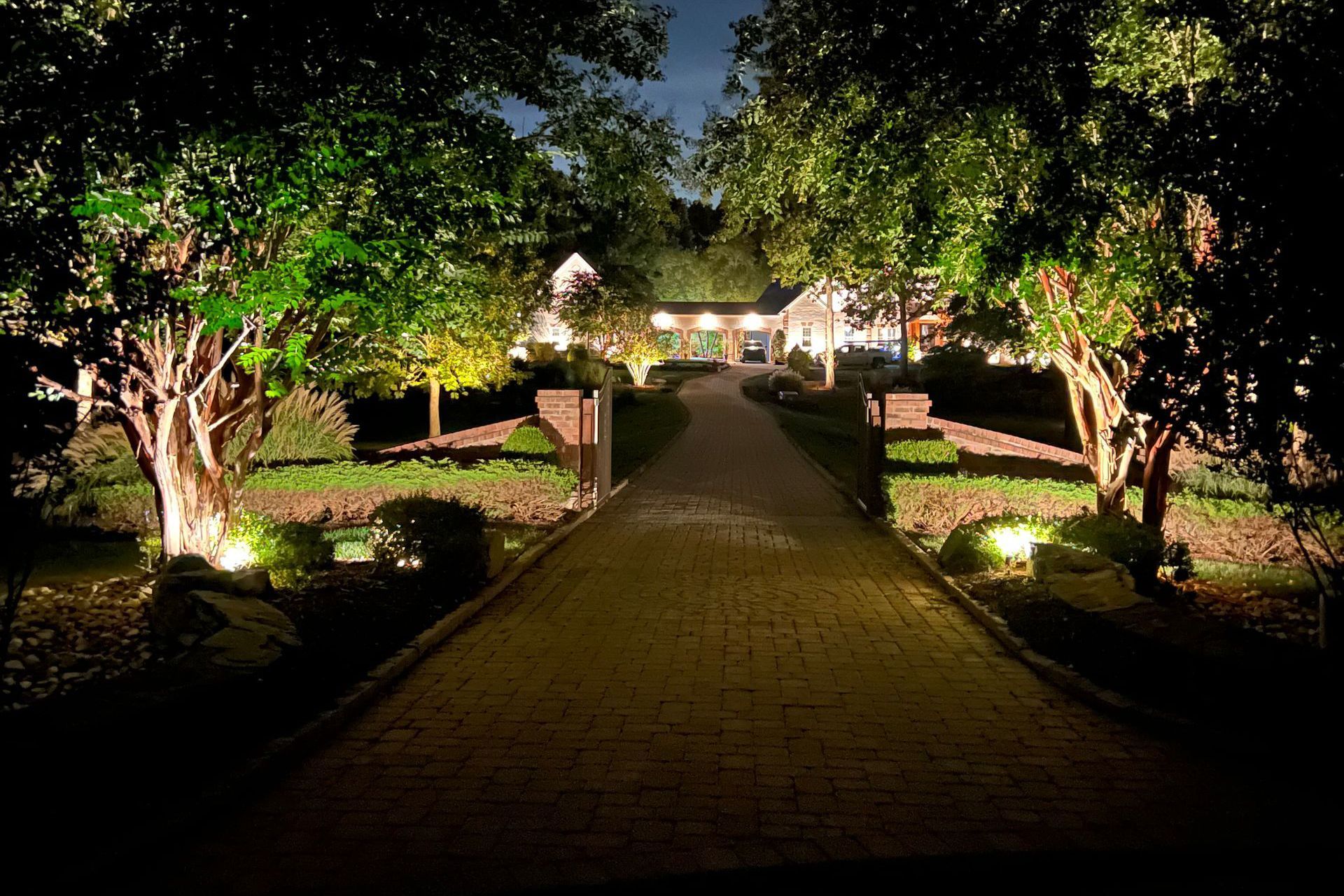
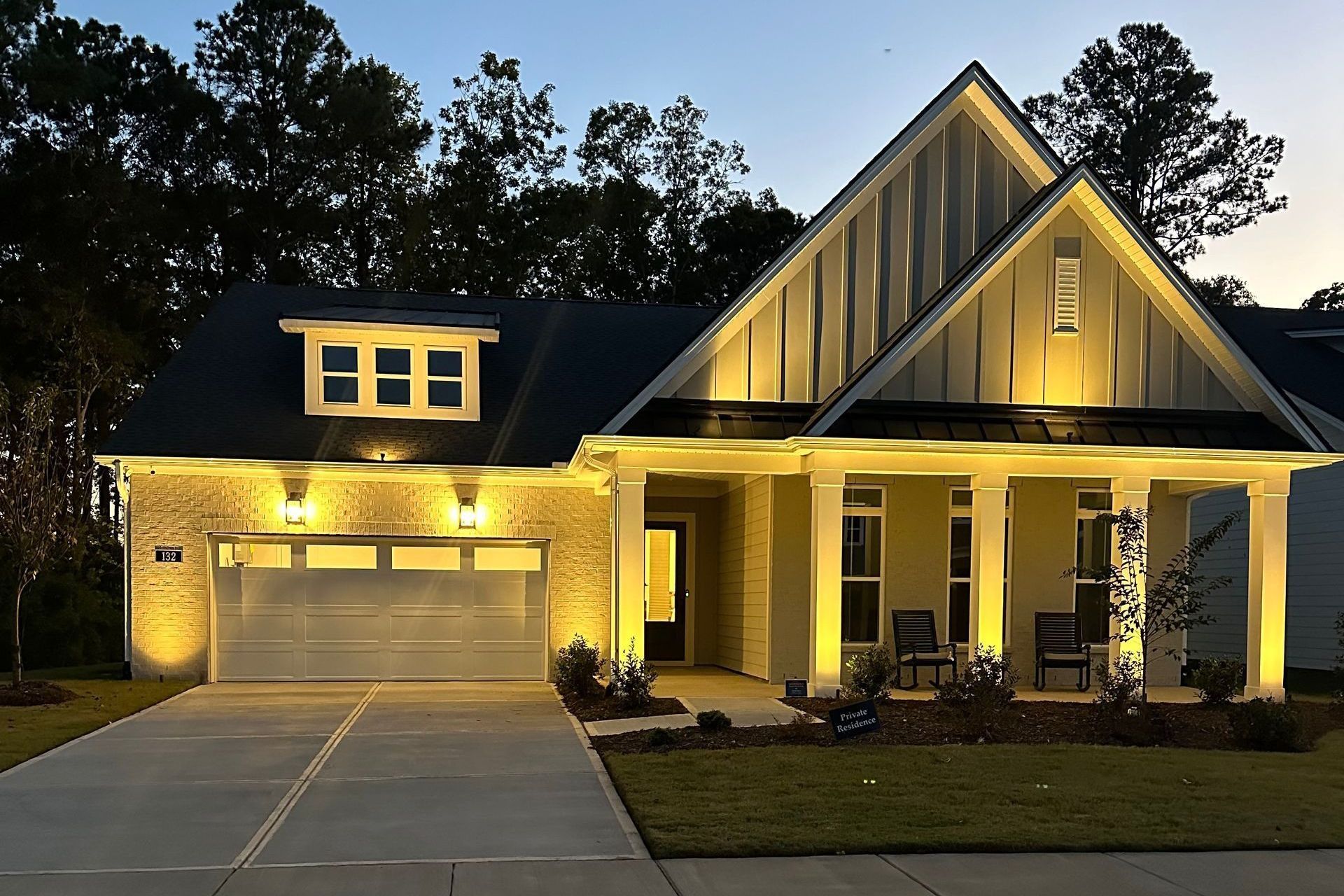
Light placement is an art and a science, contributing to the effectiveness and beauty of your outdoor lighting design. Factors such as the size of the area, existing landscape features, and desired focal points play a critical role. Balancing light and shadow is crucial; too much light can overpower and distract, while too little may fail to highlight important features. Critical attention to placement can emphasize architectural elements and create inviting spaces.
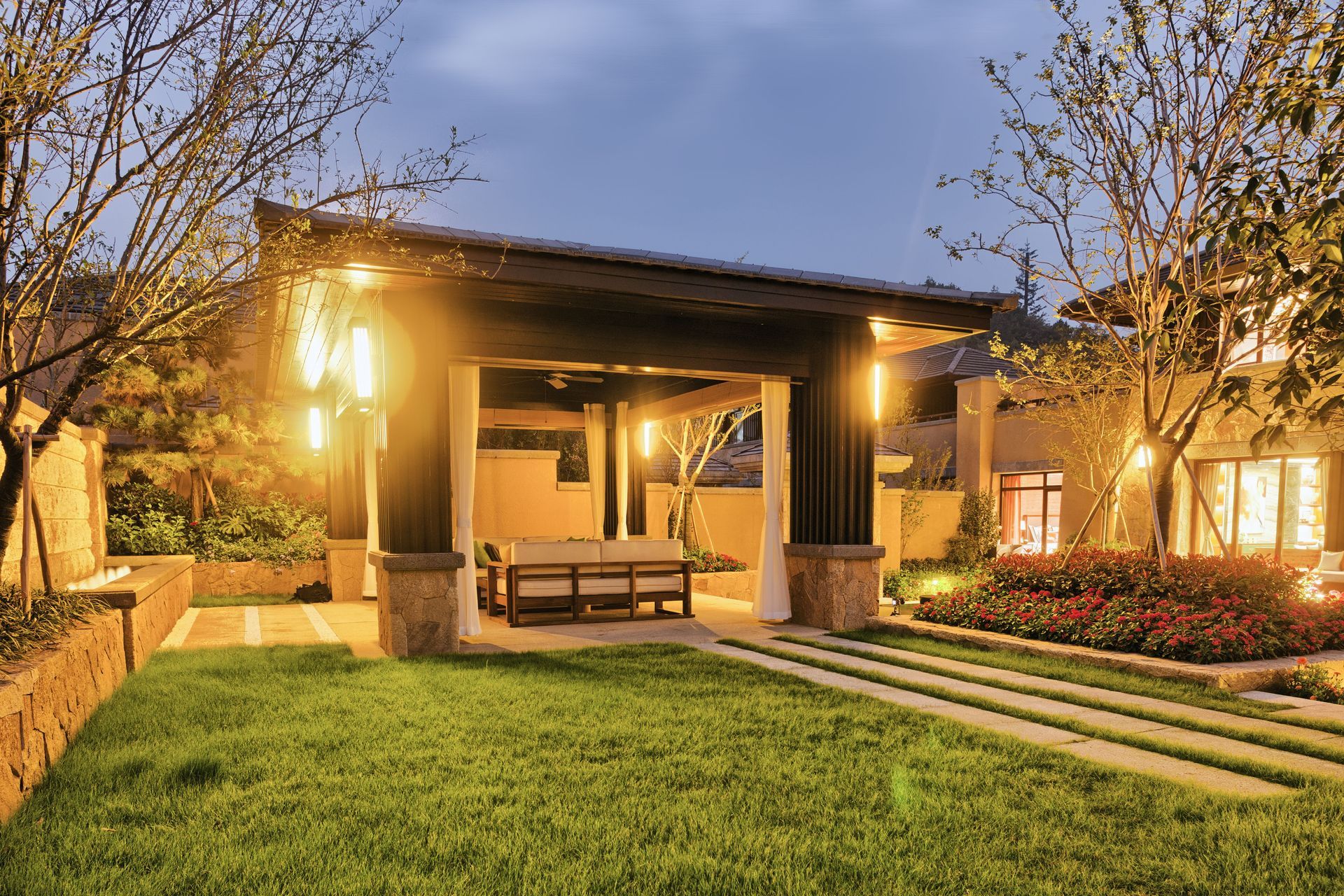
Color temperature and beam spread should also guide placement decisions. Warm tones often create a cozy atmosphere, whereas cooler tones lend modern and crisp aesthetics.
Beam spread will determine the coverage area of each fixture—it’s imperative to ensure there are no unlit gaps or overlit areas. Additionally, strategic placement can improve the security of your property by illuminating potential blind spots or entry points.
Involving landscape lighting installers early in the design phase optimizes light placement for both aesthetics and functionality. Experienced installers understand how to use angles, feature depth, and fixture height to create dramatic effects. Moreover, by thoroughly evaluating your landscape, they can propose innovative placements that you might not have considered. This foresight and mastery of light placement can deliver striking and satisfying lighting results.
What to Expect During the Installation Process
Initial Consultation and Site Evaluation
The installation process for landscape lighting begins with an initial consultation between you and your chosen installers. This meeting is crucial for setting expectations, discussing your vision, and addressing any questions or concerns. During the consultation, installers will also perform a site evaluation to understand the layout, existing structures, and potential challenges of your outdoor space. This evaluation assists in developing a lighting plan that leverages your property's unique characteristics.
Installers will take into account various factors such as architectural elements, natural features, and intended areas of use. They may suggest improvements or highlight potential issues based on their experience and your outdoor needs. This is an ideal opportunity to discuss fixture preferences, budget limitations, and the timeline for the project. Transparency in communication during this phase helps in establishing a strong working relationship between you and the landscape lighting installers.
Design Proposal and Approval
Following the initial consultation and site evaluation, landscape lighting installers will present you with a detailed design proposal. This proposal includes suggested lighting fixtures, layout diagrams, and an overall concept design tailored to your preferences and budget. It's essential to review this proposal meticulously, taking note of any areas that require clarification or adjustment. A well-rounded proposal details every aspect of the project, allowing for an easy and seamless installation process.
The proposal might also include an estimated timeline and phased plan for implementation, providing transparency and realistic expectations about the project's duration. It will be accompanied by cost estimates and explanations for why specific lighting decisions were made, based on previous discussions and evaluations. This is your opportunity to request modifications, ensuring the final design aligns with your vision and investment.
Preparing for a custom landscape lighting installation involves thorough planning, careful budgeting, and collaboration with experienced installers. By following these guidelines, you can enhance your outdoor spaces with beautiful and functional landscape lighting tailored to your specific needs. The journey from concept to completion requires thoughtful consideration and an understanding of several key factors. With careful preparation and the right professional guidance, you can transform your outdoor landscape into an illuminated masterpiece that adds both value and allure to your property. Reach out to Outdoor Provisions today to see how we can help you!